
I’ve Been to Japan Six Times to Study Lean. Here’s Why I Keep Going Back.

For years, I was skeptical about taking a long, cramped, and tiring flight to Japan just to study Lean and the Toyota Production System.
After all, I’d been studying and practicing Lean for two decades. I’d learned from incredible mentors — some from Japan, others who had worked there or visited — and I’d helped teams apply these principles successfully. I thought, “Surely, you can learn Lean perfectly well without going to Japan.”
Then I went. And it changed how I practice and teach.
What I experienced on that first study trip in 2012 was far more than lectures and factory tours. It was a living, breathing demonstration of what respect for people and continuous improvement look like when they are truly part of daily life — not a project with an end date, but the way an organization operates, every day.
I met people from multiple countries. I visited Toyota and world-class hospitals. I had moments of insight that reshaped how I understand Lean — not as a set of tools, but as a mindset grounded in humility and learning.
I’ve gone back six times since, most recently in November 2024. Each visit has deepened my understanding of how to build lasting improvement cultures. And I keep learning new things.
Now, I’m organizing and leading my own Lean Healthcare Accelerator Experience in Japan, scheduled for December 2026. It’s designed for healthcare leaders and experienced improvement professionals who want to see how Kaizen and continuous improvement operate as a daily management system — not as a series of projects.
Watch videos translated into Portuguese, Dutch, Turkish, and other languages
What You’ll Experience
This is a Monday-through-Friday immersion, starting in Nagoya and ending in Tokyo. Everything inside Japan is included: site visits, translation, seminars, ground transportation, hotels, and meals.
Hospital visits — Curated visits to three of the top Lean healthcare facilities in Japan, with time for in-depth discussion with the Lean leaders in each organization
“Doctors for Tomorrow” — An in-depth study session with the founders of Japan’s initiative that uses TPS principles to make medical mistakes a thing of the past
A TQM seminar with a lifelong Toyota quality manager — Learn why Total Quality Management is a vital part of any discussion of TPS and how the SDCA cycle works alongside PDCA for quality assurance
Lean leadership seminars and hands-on improvement activity — Experience a TPS-style approach to improvement, not just hear about it
Factory visits — A medical device manufacturer and a prestigious supplier whose owner will share how they’ve built a culture of stretch targets and continuous improvement
Guided discussion throughout — I’ll be facilitating conversations that connect what we see in Japan to the realities of leading improvement in healthcare back home
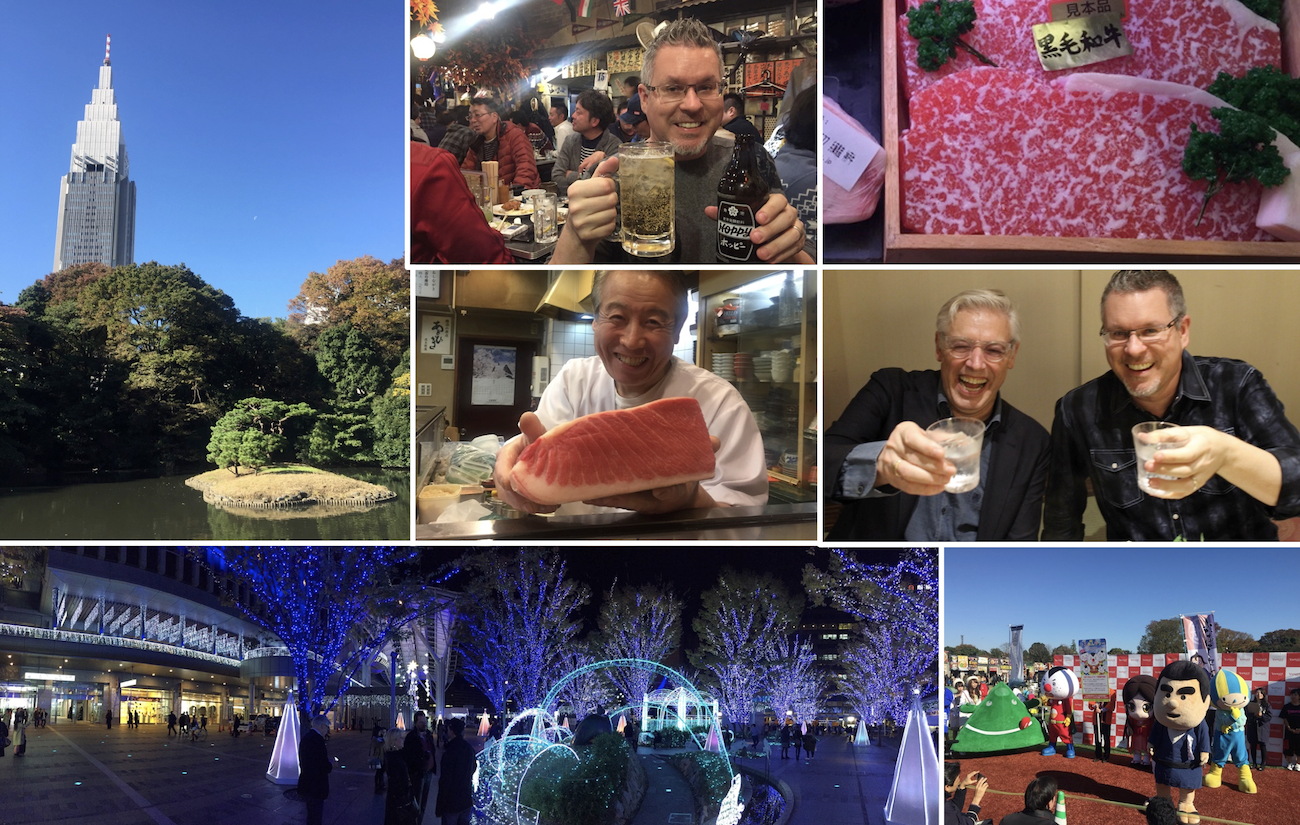
And yes, we’ll have some fun exploring Japanese culture, food, and more along the way.
Oh, and we’ll have some fun exploring Japanese culture, food, and more.
What Past Attendees Say
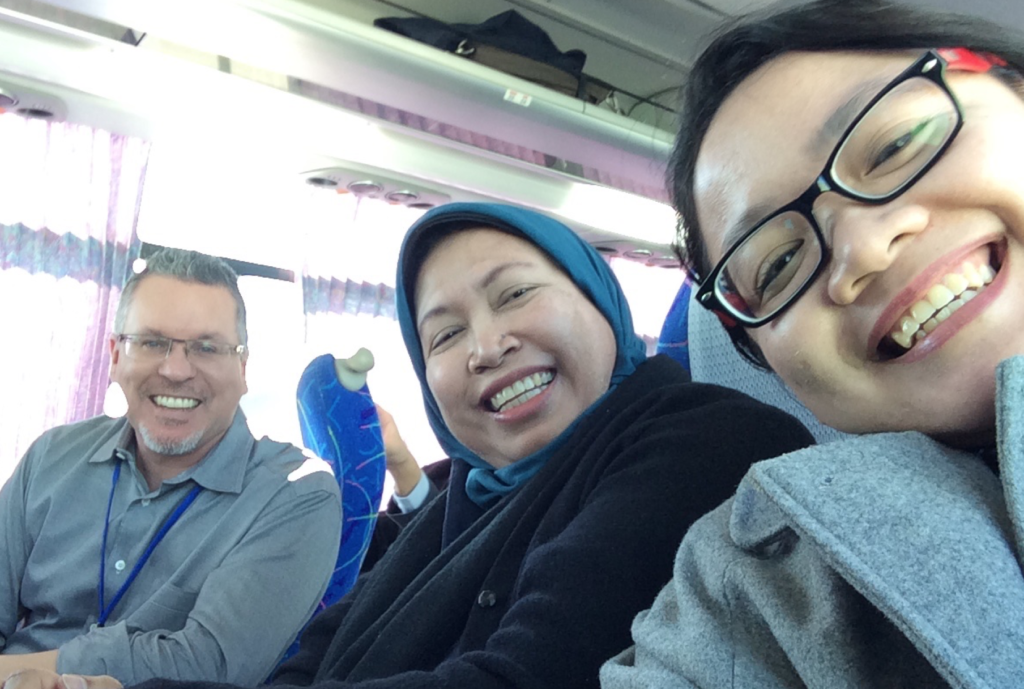
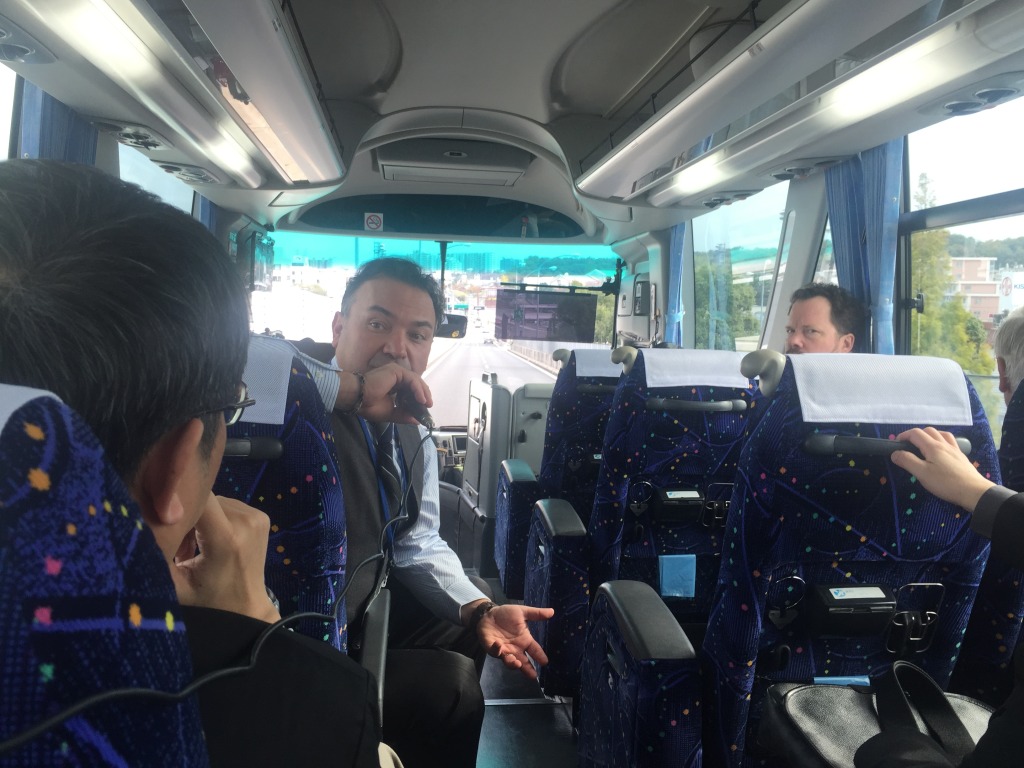
“What blew my mind were the host sites and the depth of Kaizen activities done by the small QC circles. My personal favorite moments were our casual discussions on the bus.” — Mayang Anggarani, Indonesia
“The opportunity to see and deeply reflect on successful Lean Strategy, Culture and Leadership with lean practitioners from around the world was truly beneficial.” — Pat Kramer, Senior Manager, Lean Consulting, Healthcare Performance Partners
“If you want to go see and feel Lean and its roots, travel with [us] to Japan.” — Peter Kabel, Microbiologist, Holland
Read Mark Graban’s blog posts about previous trips.
Recaps of Previous Tours
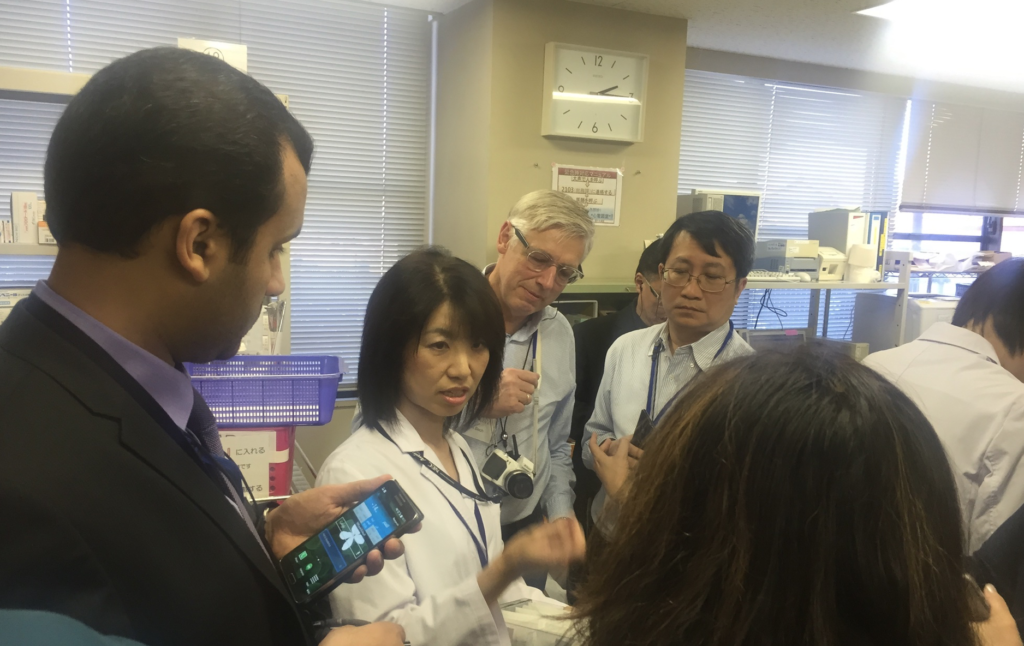
In previous Kaizen Institute tours, our collaboration secured visits to three KAIZEN™-minded hospitals, Toyota, and much more!
Why Going Is Different from Reading About It
You can read about Lean for years. I did. And it helped, enormously. But there’s a difference between understanding a concept and seeing it lived.
When you watch a hospital CEO describe 20 years of sustained daily improvement — and you see the results on the walls and in the way the staff moves through the space — it lands differently than a case study. When you visit a factory and see a U-shaped cell where the work flows with a kind of choreography that’s both graceful and efficient, you understand something about work design that no slide deck can convey.
One key takeaway from my very first trip: not every Japanese company is like Toyota. That’s important. Toyota has worked diligently to cultivate its culture and practices over time. It’s not automatic. It’s not cultural inheritance. That should strengthen your commitment, because it means your organization can build something of its own.
A trip like this also creates something that books and webinars simply can’t: shared context. When two leaders from the same organization see the same hospital, hear the same CEO, and reflect on the same questions, they develop a reference point that no PowerPoint can replicate. “Remember what we saw in Nagoya” becomes a way to align on decisions for years afterward.
That’s the difference between professional development for one person and a culture-building accelerant for a team.
Who Gets the Most Out of This Experience
The people who benefit most tend to share a few things in common. They’ve been practicing Lean or continuous improvement for a while and want to deepen their understanding. They’re curious about the difference between “Lean culture” and “Japanese culture” — and what can actually transfer to their organizations. They’re open to being surprised by what they see, even if it challenges assumptions.
If you’re a senior leader or executive sponsor for improvement, this is an especially valuable experience. You’ll see how leaders in Japan reinforce culture through daily behaviors — and you’ll have time to reflect on what that means for your own leadership.
This trip is designed primarily for healthcare leaders, but it’s open to anyone with enough Lean experience to get the most from the site visits and discussions.
Who’s Leading This
I’m Mark Graban — author of Lean Hospitals, Healthcare Kaizen, and The Mistakes That Make Us (three-time Shingo Publication Award recipient). I’ve spent more than 30 years working in healthcare, manufacturing, and startups, helping organizations build cultures of continuous improvement and psychological safety.
I’m partnering with two outstanding colleagues:
Dave Fitzpatrick — a Canadian who has lived and worked in Japan for many years and has extensive experience facilitating study missions
Reiko Kano — a bilingual Lean and TPS expert with deep healthcare experience in both the U.S. and Japan
Dave and Reiko are the co-founders of Zenkai Improvement Partners, and I’m proud to collaborate with them on this initiative.
What’s Included
Your registration covers everything inside Japan:
- Expert logistics and visit planning by experienced Lean trip organizers
- Translation from a trusted partner with deep experience in Lean, in both Japan and the United States
- All site visits, seminars, and workshops
- Guided discussion and facilitation by Mark Graban and colleagues
- Ground transportation, hotels, and meals throughout the week
You arrange and pay for your own international airfare.
A full draft schedule is available on request.
The Investment
The program fee is $9,500 USD (international airfare not included).
That covers a full week: three hospital visits, factory tours, leadership seminars, a TQM workshop with a retired Toyota quality manager, guided group discussions, all ground transportation, hotels, and meals inside Japan.
Early bird pricing is available for the first 5 registrants. Group discounts are available for 3 or more from the same organization.
For context: this is less than many organizations spend on a single consulting engagement — and the shared experience your team brings home can shape how you think and lead for years.
Making the Case to Your Organization
If you’re considering this and need to make the case internally, here are a few approaches that have worked for past attendees:
Bring your boss along. If your leader is an executive sponsor for Lean or improvement, invite them. Shared learning accelerates alignment and momentum when you get home. Two people from the same organization seeing the same things is worth more than twice the value of one person going alone.
Frame it as a learning initiative with outcomes. What will you bring back? How will you share insights with your team? An A3 or short proposal that ties this experience to your organization’s strategic goals — culture change, patient safety, staff engagement — can help.
Demonstrate personal commitment. If you can cover your own airfare (frequent flyer miles, for example), that shows skin in the game and offsets part of the total cost for your organization.
Compare it to alternatives. A week-long consulting engagement or multi-day leadership program often costs as much or more — without the depth of firsthand experience, the international perspective, or the lasting shared context this creates.
What People Typically Leave With
By the end of the week, participants typically come away with:
- A clearer understanding of Lean as a leadership system, not a toolkit
- Practical insights for strengthening psychological safety and daily improvement
- Examples of how senior leaders in Japan reinforce culture through behavior — every day, not just during “events”
- Ideas they can translate (not copy) into their own organizations
- Relationships with peers from around the world who are working on similar challenges
Photos From Previous Trips
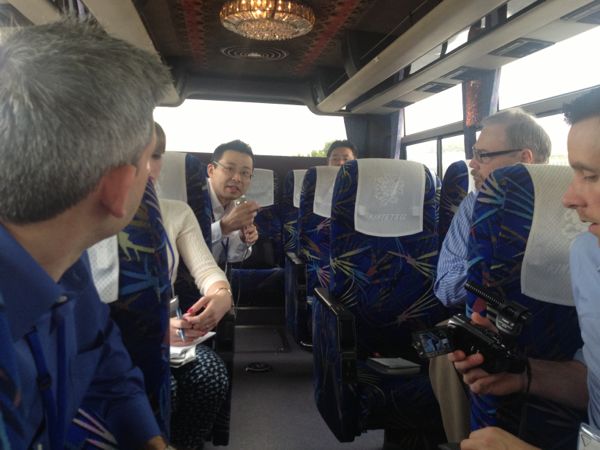
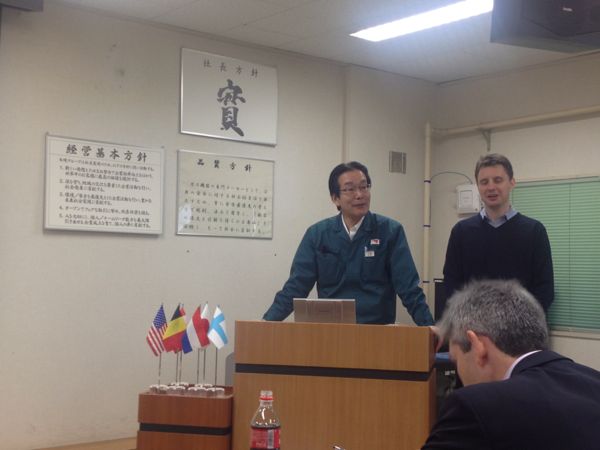

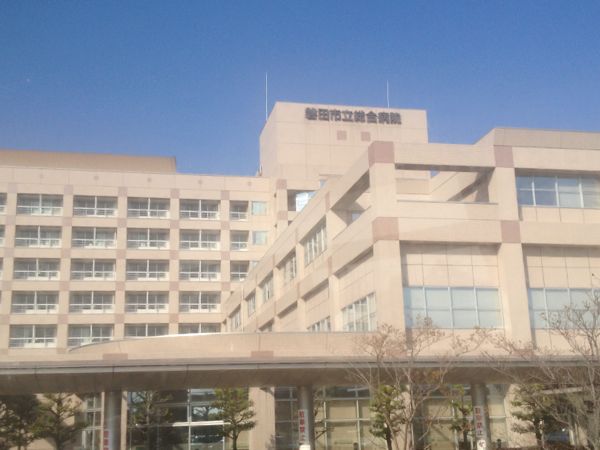
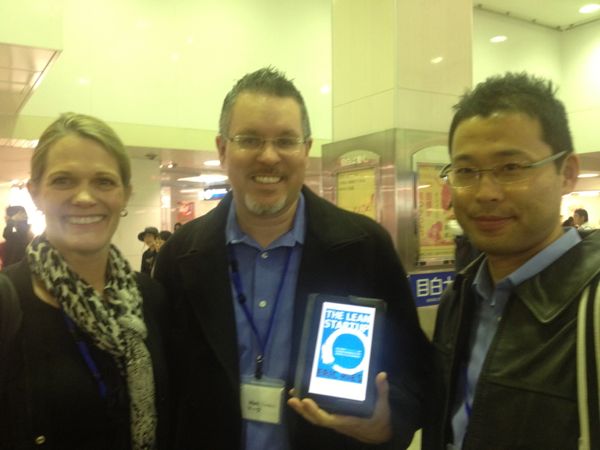

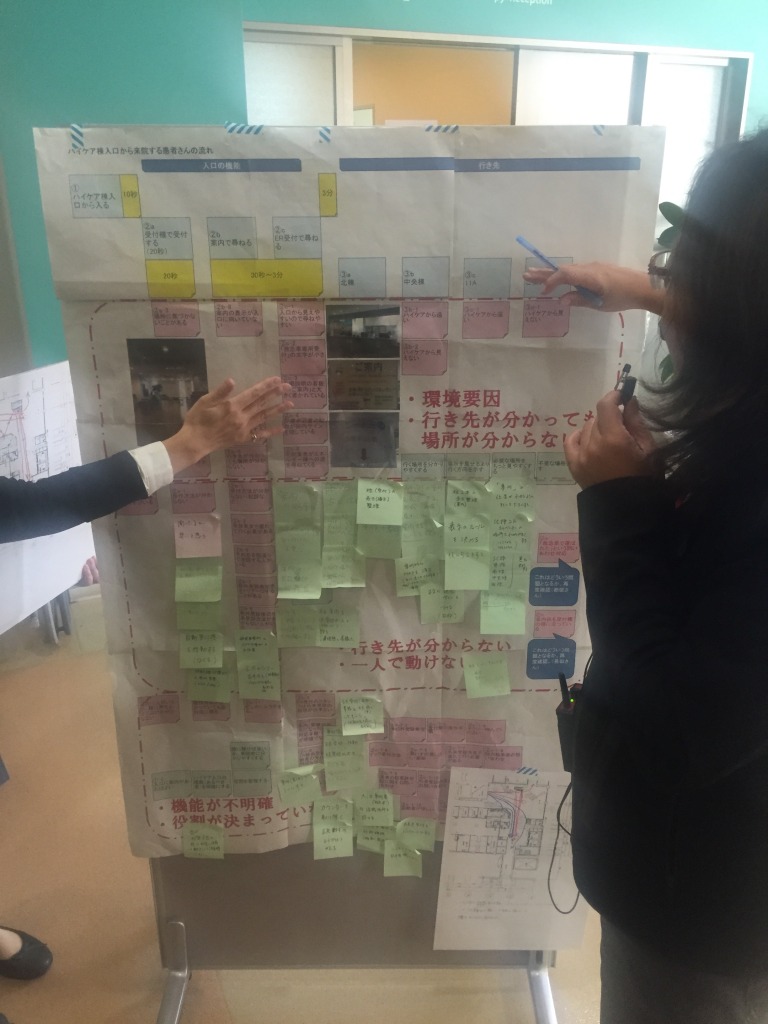
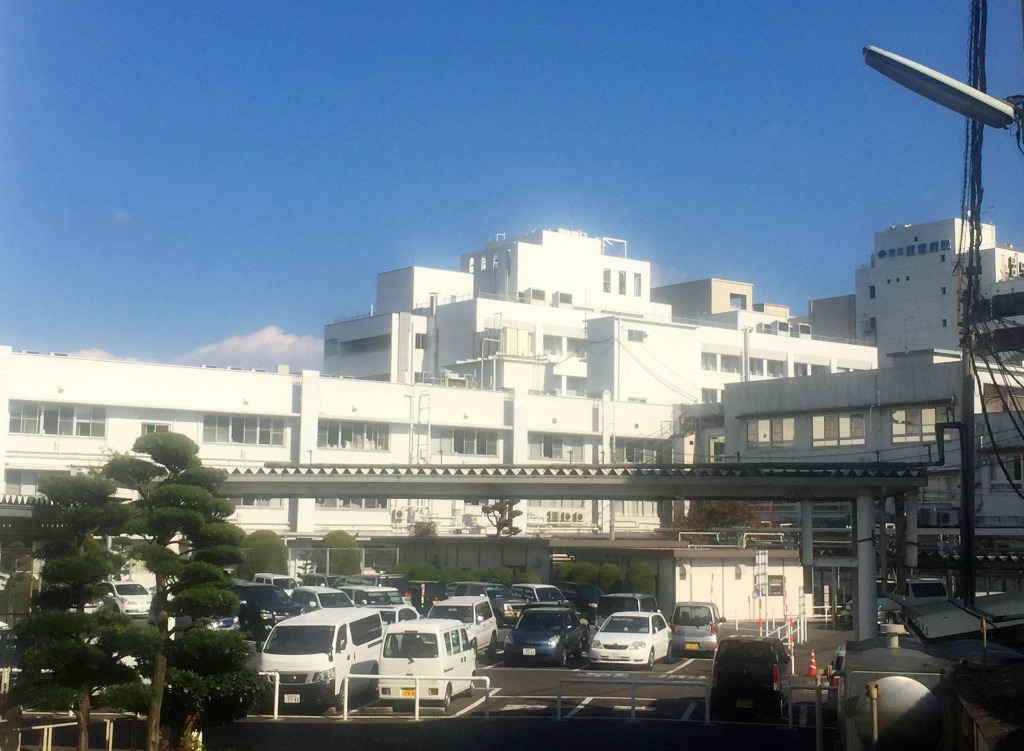
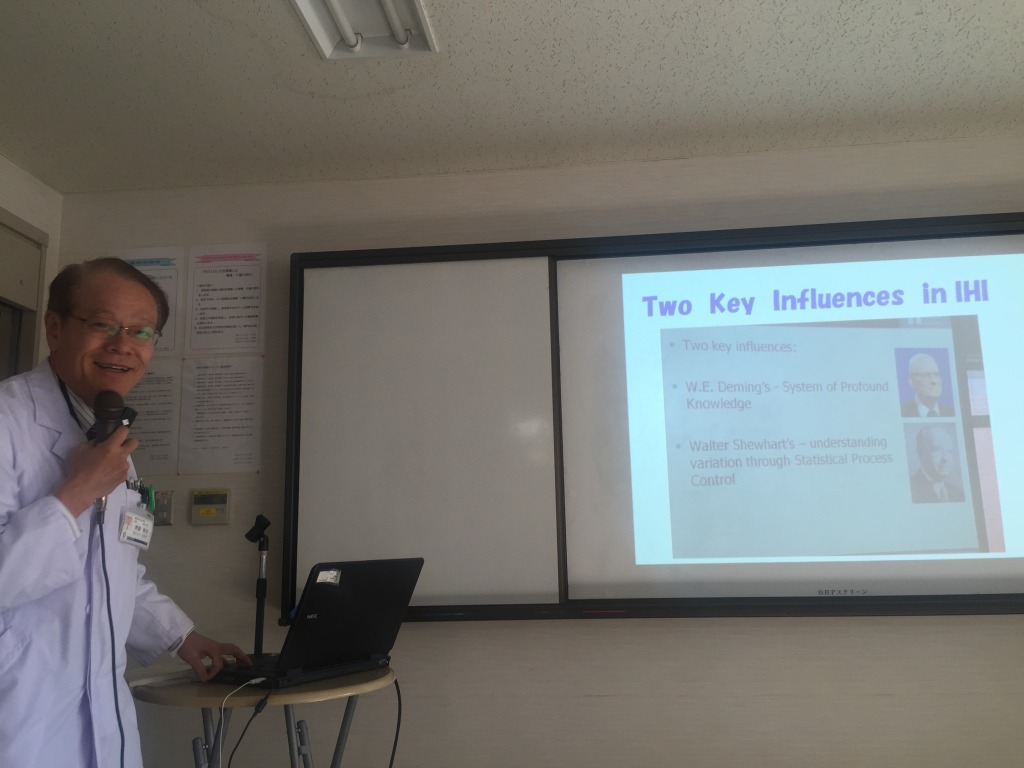
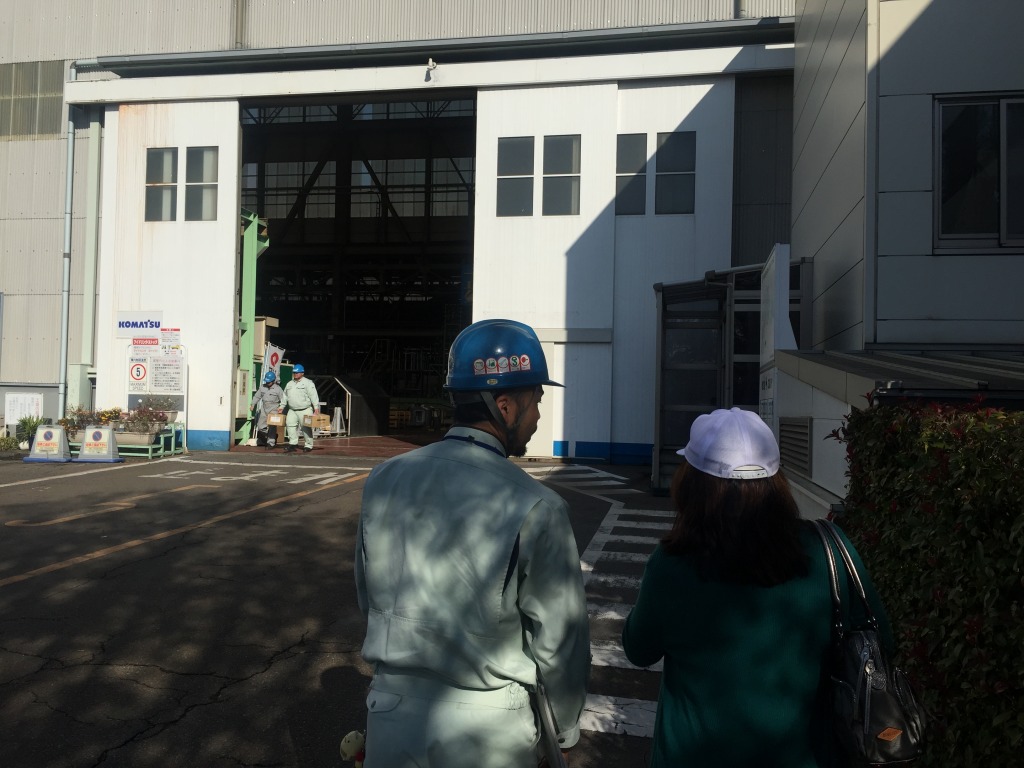
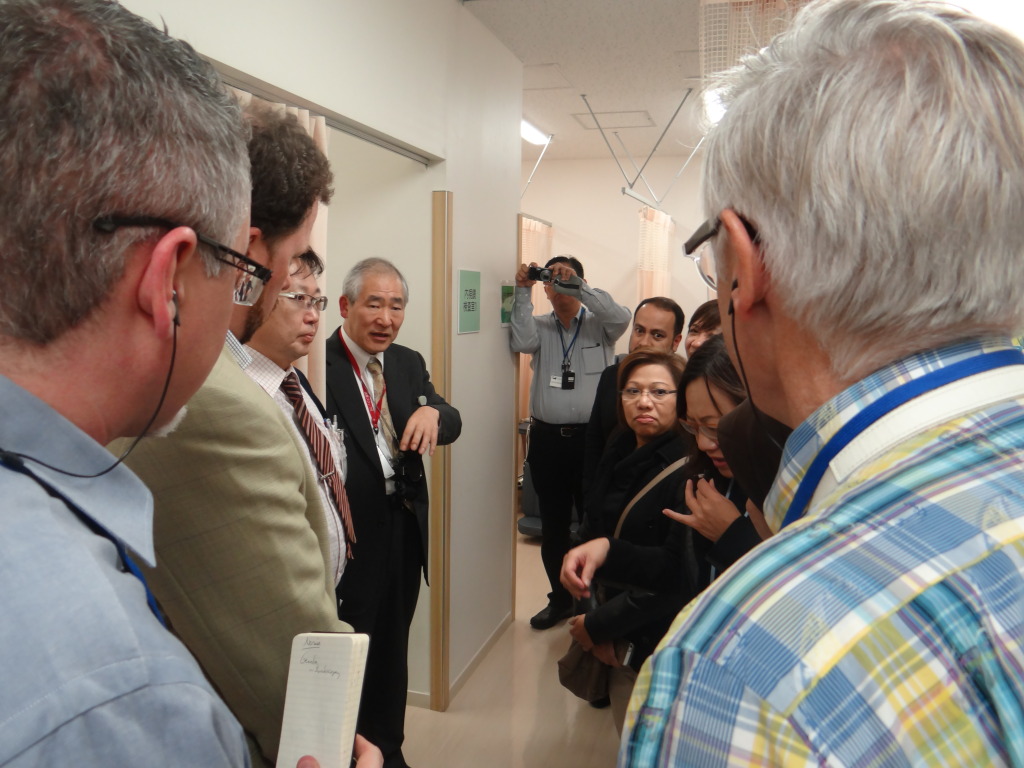
Click here to see Mark Graban’s photos of nothing but food in Japan
Listen to Mark Graban Talk About Previous Trips
Visit the Gemba Academy Podcast episode page
Interested?
Spots are limited to keep the group small enough for meaningful discussion at every site visit.
If you’d like to learn more, request a draft schedule, or talk about whether this is the right fit, I’d be happy to have that conversation.
I look forward to sharing this experience with you — wherever you’re flying from.
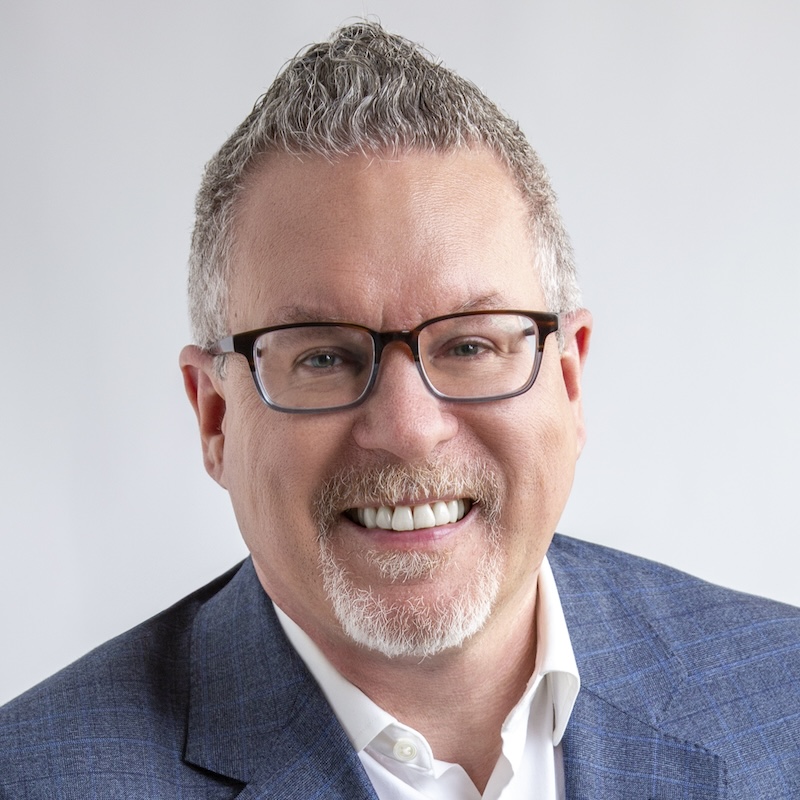
Mark Graban
Author of books including Lean Hospitals and Healthcare Kaizen
Two-time Shingo Publication Award Recipient
Frequently Asked Questions
Yes. The experience is designed for executives and senior leaders who influence culture, strategy, and management systems. The site visits and discussions are oriented around leadership behaviors and how organizations sustain improvement over time — not introductory Lean training. That said, you don’t need a C-suite title. What matters is enough experience with Lean or continuous improvement to get the most out of what you’ll see.
No. We have experienced translators throughout the program, and all guided discussions are in English. Outside the program — navigating trains, ordering food, checking into hotels — Japan is surprisingly easy to get around as an English speaker. Signage is widely available in Roman characters, Google Translate works well, and the infrastructure runs with remarkable precision.
Very. Japan is one of the safest and most orderly countries you’ll visit. Public transportation is clean, punctual, and well-signed. Google Maps works seamlessly. I’ve walked around Tokyo at 4 a.m. and felt completely comfortable. Being part of a guided group for the program week removes most of the logistical complexity, and if you arrive early or stay late to explore on your own, you’ll find it manageable even without any Japanese.
Japanese cuisine is far more varied than most people expect — it’s not all sushi. Past participants with vegan, vegetarian, and gluten-free diets have had no trouble finding excellent food at every meal. The quality of fresh produce in Japan is remarkable. I’d encourage you to try things that might surprise you.
Absolutely. The program runs Monday through Friday, starting in Nagoya and ending in Tokyo. Many participants arrive a few days early in Tokyo to explore on their own, then take the bullet train to Nagoya to join the group. Others stay on after the program ends in Tokyo. I’d encourage it — it’s a wonderful country to explore beyond the Lean visits.
Everything inside Japan: site visits, translation, seminars, workshops, facilitated discussions, ground transportation (including bullet train), hotels, and meals throughout the week. You arrange and pay for your own international airfare.
That’s one of the best ways to get value from this experience. When two or three people from the same organization see the same things and reflect together during the week, they build shared context that accelerates alignment and decision-making when they get home. It’s also easier to make the case internally when the learning is framed as a team investment, not individual professional development.